
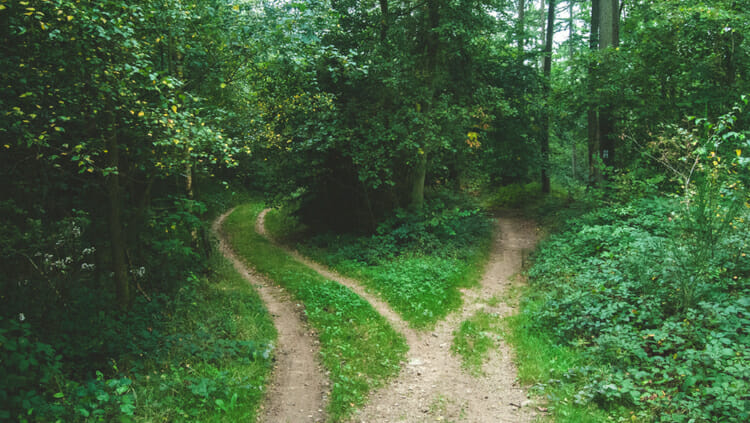
We, alone, choose which path to take.
As solo travelers, we, alone:
- choose what to do
- decide how to respond to situations
- are responsible for our own happiness.
We practice these three essential life skills every time we travel solo.
As we navigate our journeys and negotiate what's needed, and do so independently, free from the influence of others, we learn who we really are. What we really want. And how to be absolutely true to ourselves.
As we exercise these skills while traveling we become better at them. We bring them home and are more effective there as well.
Traveling solo can make us better at life at any stage of life. It can be particularly important for those in their 20s and 30s.
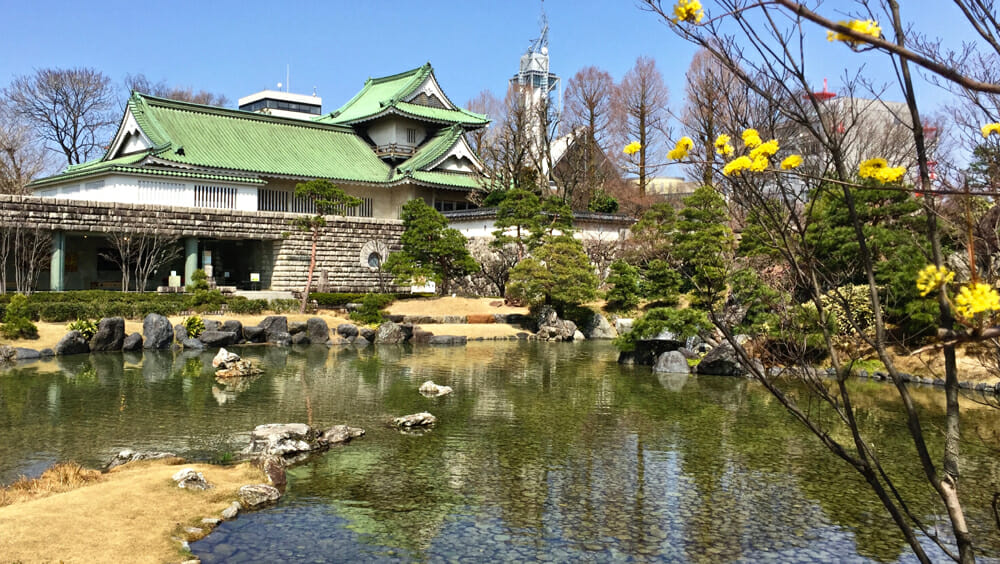
My choices of what to do on my 10-day trip to Japan were all mine. Making those choices decisively took a long time.
Life Skill 1 – Making Choices
As a solo traveler, you make choices as to when, where, and how you will travel. You also make choices as to how you will spend each day. Some are as simple as what time you will get up. Do you hear your parent's admonishment if you sleep in? Let it go. It's your choice.
While traveling solo I have had the opportunity to practice making choices such as how to prioritize my expenditures, how to spend each day–when to explore and when to rest–and where, when, and what to eat. For the record, dessert can be eaten first!
Read these posts about the choices solo travelers can make.
- British Columbia by Train: Budget or Luxury.
- Japan Solo: Trip Planning Resources, Itinerary and Budget
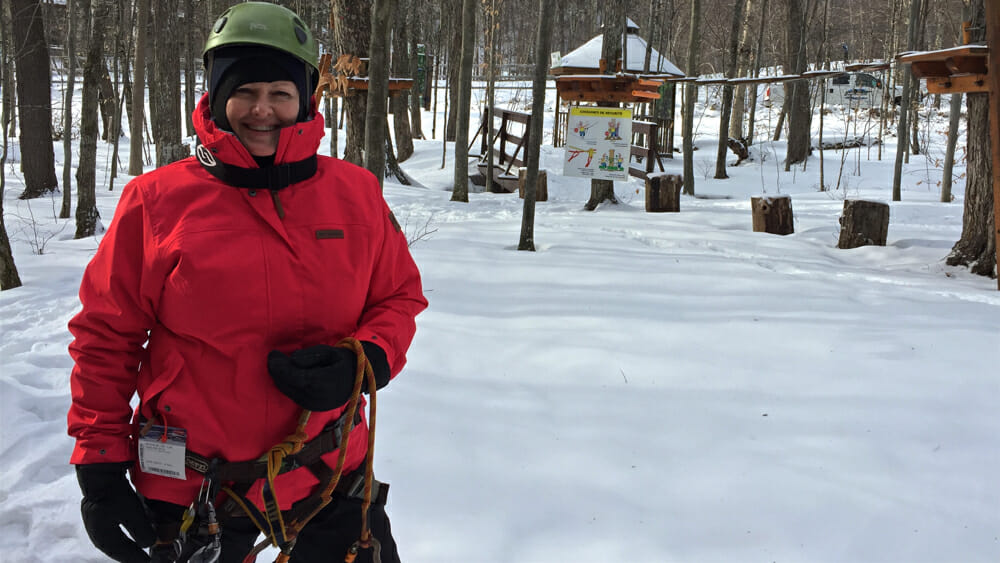
I could let fear control me or I could control fear. I chose the latter when I went zip-lining at Mont Tremblant, Quebec.
Life Skill 2 – Managing Responses
When challenges arise, I can choose to panic or sort through a problem situation calmly. I can let frustration control me or I can channel the frustration to a productive solution. There are many frustrating and annoying occasions when traveling solo. There have been times when I've felt vulnerable and other times that I've been irrationally fearful. However, I can choose to change my response. Traveling solo I have to do this entirely myself. It has made me better at responding well in difficult situations.
Read this post about growing personally as I manage my responses to difficult situations traveling solo. Taking on My Zipline Fear – With Mixed Results
Life Skill 3 – Taking Responsibility
We all depend on family and friends for many things in life. This is natural. But we also have to take responsibility for ourselves – especially our own happiness. During difficult periods of life this can mean relying on Life Skill 2 and choosing how to respond to a situation. But normally, when life is going along well, it means exercising Life Skill 1 and making choices that make us happy.
Read these posts about solo travel and making choices for greater happiness.